This article is based on recent reporting by Reuters on AI data center electricity demand and its impact on power systems, combined with broader developments in the energy and data center industries.
With the rapid advancement of artificial intelligence (AI) technologies, the world is entering an unprecedented phase of computing power expansion. From large-scale model training and cloud-based inference to the deployment of AI-driven applications, data centers have become a critical foundation of the digital economy.
However, the growth of AI computing power is not only about adding more servers. It is increasingly becoming a real-world stress test for power systems.
According to recent Reuters reports, in some regions of the United States, the sharp rise in electricity demand from AI data centers is forcing power operators to bring previously planned-for-retirement peaker power plants back into operation. This trend has drawn growing attention from the energy industry, power system operators, and environmental stakeholders.
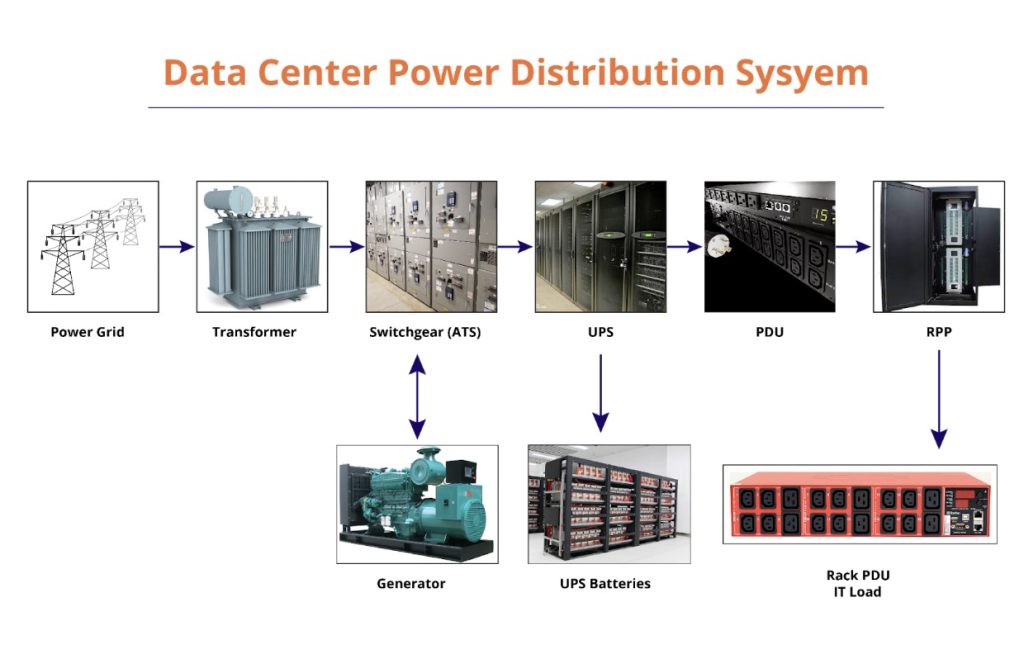
1. How AI Data Centers Are Reshaping Electricity Demand
Compared with traditional internet or enterprise data centers, AI data centers exhibit fundamentally different power consumption characteristics.
AI workloads rely heavily on high-performance computing resources, with servers operating at sustained high utilization levels and drawing concentrated, continuous power. At the same time, AI applications demand extremely high levels of system stability, with far lower tolerance for power interruptions or voltage fluctuations than conventional commercial loads.
As a result, AI data centers are not only high-energy consumers, but also highly rigid loads that require uninterrupted and reliable power supply. When multiple large-scale AI data centers are deployed within a short timeframe, even well-balanced power systems can experience supply-demand mismatches.
2. Why Power Demand Is Exceeding Original Forecasts
In most countries and regions, power system planning is traditionally based on historical data and relatively stable growth assumptions. The emergence of AI data centers has disrupted this model.
Reuters notes that in several U.S. power grid regions, electricity demand from AI data centers is growing much faster than grid expansion and generation capacity development. This mismatch—where demand accelerates faster than infrastructure—has forced power systems to rely on existing resources to maintain stability.
During periods of tight supply, peaker power plants have become the most immediate and practical solution.
3. Peaker Power Plants: From Emergency Backup to Forced Comeback
Peaker power plants were originally designed to operate during short periods of peak demand or emergency conditions. Their common characteristics include:
- Fast startup capability
- Higher generation costs
- Lower energy efficiency and environmental performance
In recent years, as renewable energy adoption increased and environmental regulations tightened, many peaker plants were scheduled for retirement. However, Reuters reports that the additional load introduced by AI data centers has led some grid operators to delay retirements or even restart aging generation facilities to ensure power supply security.
While this approach helps alleviate short-term supply constraints, it also highlights structural vulnerabilities in power systems when faced with new high-density loads.
4. Multiple Pressures on Power Systems
The rapid expansion of AI data centers is placing multi-layered pressure on power systems:
Rising peak loads
AI training workloads and operational peaks can release large bursts of electricity demand, increasing the complexity of grid dispatch and balancing.
Infrastructure development mismatches
Transmission upgrades, grid expansion, and clean energy projects typically require long planning and construction cycles, while data centers can be built and commissioned much faster.
Normalization of backup resources
As peaker plants shift from occasional backup to frequent operation, overall system flexibility and safety margins are gradually reduced.
5. Emerging Environmental and Social Impacts
Reuters also highlights that many reactivated peaker plants are older oil- or gas-fired facilities with emissions significantly higher than modern generation assets.
These plants are often located near older urban areas or densely populated communities. Increased operating frequency can lead to:
- Higher air pollutant emissions
- Rising carbon emissions
- Greater health risks for nearby communities
This has sparked renewed discussions around environmental justice and sustainability—specifically, whether the benefits of AI-driven growth are being offset by environmental costs borne by certain communities.
6. AI Computing Growth Cannot Rely on Legacy Energy Alone
From a long-term perspective, industry consensus suggests that relying on aging peaker plants is not a sustainable solution. More viable pathways include:
- Accelerating grid upgrades and cross-regional transmission development
- Expanding the role of energy storage in peak load management
- Aligning clean energy deployment with data center development
- Improving energy efficiency at both hardware and AI algorithm levels
Until these solutions are fully implemented, peaker power plants are likely to continue serving as transitional support in certain regions.
Conclusion: Behind Computing Power Lies a Real Energy Challenge
AI is often described as a revolution in the cloud, yet its foundations are firmly rooted in the physical energy systems of the real world. Every increase in computing power translates directly into sustained electricity consumption.
As highlighted by Reuters, the rapid growth of AI data centers is forcing power systems to reassess their capacity, resilience, and long-term development paths. Balancing technological progress, power system security, and environmental sustainability will be one of the defining challenges in the years ahead.
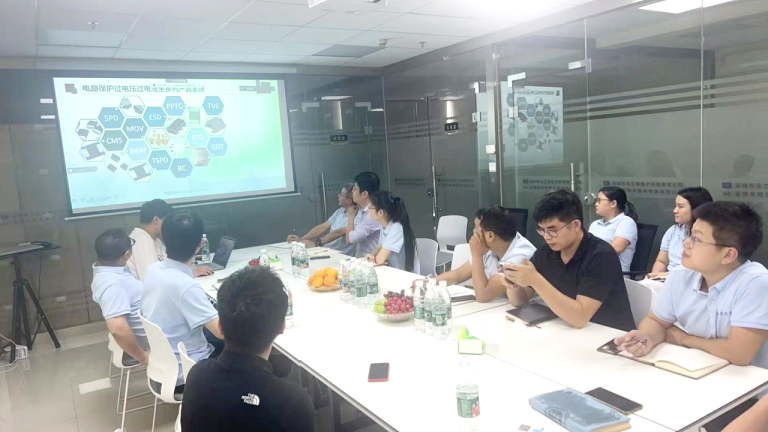
In response to the industry’s gradual shift toward 800V high-voltage power architectures for high-compute data centers, Boarden has developed corresponding high-voltage surge and overvoltage protection solutions to enhance the operational reliability of computing equipment and power systems. For detailed product information or application support, please feel free to contact us.